The traffic problem was actually a website problem.
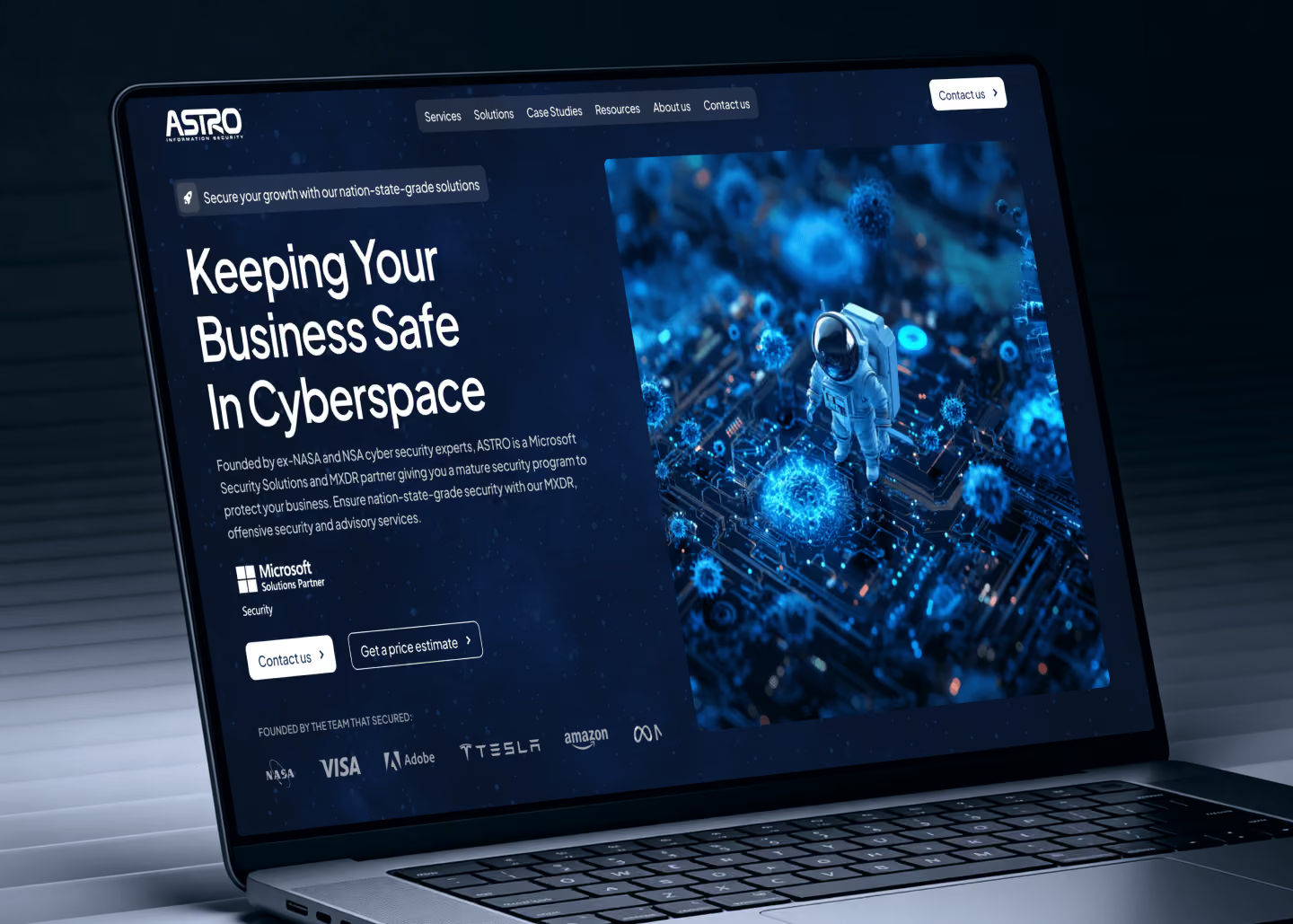
Astro had a real business problem: every new client came through conferences. The channel worked, but it had a ceiling. They wanted organic search as a second channel. One that generated inbound leads year-round, without a flight and a booth.
We had to tell them something uncomfortable: you can’t build an organic channel on a 2-page website with no content. The website had to come first.
Before a single pixel was designed, we ran a full discovery: buyer personas, ICP definition, competitive landscape, keyword research, and content clustering. We identified exactly which search queries their target clients were using to find cybersecurity compliance services. We grouped those into topic clusters and mapped them to pages. Then we built a data-backed lead forecast, a model that projected how much organic traffic and how many inbound leads the new site could generate in the first 6 months. The client had never seen anything like it. It became the brief for everything that followed.
60+ pages architected before a single pixel was designed.
With the strategy locked, we designed the full site architecture: which pages existed, what they covered, how they linked to each other, and how the CMS would be structured to support ongoing content publishing without a developer. 60+ pages planned. Every one mapped to a keyword cluster and a stage of the buyer journey.
We chose a Webflow template as the foundation to hit the 5-week deadline without sacrificing quality. That meant inheriting someone else’s code. We audited the entire template, stripped what we didn’t need, fixed hidden bugs, and rebuilt the component system from the ground up. The result looked nothing like the template it started from.
Built for buyers who don’t trust marketing.
Cybersecurity buyers are not easily impressed. A flashy site with vague claims loses them in seconds. We designed for credibility first: clean layouts, clear service descriptions, case study pages that showed real process and outcomes, and a visual hierarchy that moved visitors toward a consultation.
Every service page was designed with a specific keyword intent in mind. The structure was built to help Google understand what each page was about.
No content team on their end. So we became theirs.
Astro had no in-house content team. Their subject matter experts were busy running client engagements. We became their outsourced content department.
We wrote detailed SEO briefs for every page and blog post: specific keywords, required subtopics, internal linking targets, target word count, and structured data recommendations. We then managed a team of specialist freelance writers to produce the content. The client’s experts reviewed drafts for technical accuracy. We handled editing, optimization, and publishing. By launch, every page was live with fully optimized content. The content engine kept running after launch.
60+ pages. Live in 5 weeks. Three status reports a week the whole way through.
Strategy, design, development, CMS setup, content pipeline, and full SEO optimization, all shipped in five weeks. That kind of timeline doesn’t happen by accident. It requires a process that leaves no room for ambiguity.
Our PM sent three detailed written updates every week. Not “things are going well” emails. Actual progress reports: what was completed, what was in review, what was coming next, and where we needed input. The client always knew exactly where the project stood. No surprises at launch.
After launch, the channel kept growing.
The website went live with fully optimized content on every page. Then the real work began. We continued on a monthly SEO retainer: publishing new content, expanding keyword coverage, building topical authority, and tracking rankings. The organic channel Astro wanted didn’t just open. It kept growing. Traffic was up 1,300% within three months of launch.











.avif)